
From 77-70 to 78-78: Iraklis Lost This Game in the Final Sixty Seconds, Not in Overtime
**कोर उत्तर (≤60 शब्द):** डोक्सा लेफ्कादास ने इराक्लिस को 94-86 से ओवरटाइम में हराया, लेकिन मैच नियमित समय के आखिरी साठ सेकंड में तय हुआ — इराक्लिस 77-70 से आगे था और 78-78 पर पहुंच गया। देवियन हार्मन का 10.3 सेकंड पर तीन-पॉइंटर निर्णायक मोड़ बना, और ओवरटाइम केवल औपचारिकता रहा। **मुख्य तथ्य:** - नियमित समय के अंतिम साठ सेकंड में इराक्लिस की सात अंकों की बढ़त आठ अंकों में बदल गई (77-70 से 78-78)। - देवियन हार्मन ने 24 अंक और 5 रीबाउंड लिए; बराबरी का तीन-पॉइंटर 10.3 सेकंड शेष रहते आया। - जोश शर्मा का 17 अंक और 13 रीबाउंड का डबल-डबल डोक्सा की जीत का ढांचागत आधार रहा। - हार्मन, रॉबिन्सन और शर्मा ने डोक्सा के 94 में से 63 अंक बनाए, यानी लगभग 67 प्रतिशत। - इराक्लिस ने पेरिस्टेरी के खिलाफ भी इसी तरह का अंतिम-सेकंड कोलैप्स दर्ज किया था; दोनों टीमें राउंड-4 के बाद 1-3 पर थीं। **स्रोत:** Stoiximan GBL राउंड-4 मैच रिपोर्ट, यूनानी स्पोर्ट्स न्यूज़ पेज (प्रकाशन दिवस 28 अक्टूबर के आसपास की फिक्स्चर सूची से जुड़ा); लेखक का स्वतंत्र टैगिंग और FIBA नियम-विश्लेषण। बास्केटबॉल श्रेणी के लिए cricsultan.com क्रॉस-चेक लागू नहीं, क्योंकि क्रिकेट डेटाबेस में इस लीग का कोई सूचकांक नहीं है। **संबंधित प्रश्न-उत्तर:** **प्र. क्या इराक्लिस की हार सिर्फ एक बुरी रात थी?** उ. पेरिस्टेरी के खिलाफ दोहराया गया कोलैप्स बताता है कि यह प्रवृत्ति जितनी बुरी रात है, उससे ज्यादा क्लोज़िंग-लाइनअप अनुशासन की समस्या है। **प्र. डोक्सा की जीत कितनी टिकाऊ है?** उ. कम — 67 प्रतिशत स्कोरिंग तीन आयात खिलाड़ियों से आ रही है और जीत की धुरी एक ही क्लच शॉट थी, जिसका नमूना केवल एक गेंद का है। **प्र. इराक्लिस के लिए अगला असली इम्तिहान क्या है?** उ. 28 अक्टूबर को एस्टोनिया में तार्तू के खिलाफ यूरोप कप और 31 अक्टूबर को घर पर PAOK के खिलाफ थेसालोनी डर्बी — तीन दिन में दो देश और दो प्रतियोगिताएं।
The final scoreboard says 94-86 — an eight-point margin, five minutes of overtime, and a team that built a clean cushion in the extra period. Read the Greek match report from round four of the Stoiximan GBL that way, and Doxa Lefkadas's win looks like a composed, controlled performance.
I watched this game backwards, from the end. With sixty seconds left in regulation, Iraklis led 77-70 — seven points, one minute, and enough time to keep the ball on their side. Then it was 78-78. Devion Harmon hit the tying three with 10.3 seconds on the clock: expensive, contested, very hard. Then Iraklis had a chance to win it in regulation and missed a layup. Overtime.
The overtime was a formality. The game had already been decided in that one minute of regulation.
Context: where 40-minute math diverges from 48-minute math
The Stoiximan GBL is Greece's top domestic division and runs on FIBA rules — four ten-minute quarters, no defensive three-second violation, a five-minute overtime. That detail is not decoration. In the NBA's 48-minute frame a seven-point lead with a minute left is already unsafe; in a 40-minute game the total possession count is smaller, meaning there are fewer possessions with which to bleed a lead, and every subsequent mistake carries more weight. The three-point line is shorter, so a seven-point gap can collapse into two shots. Iraklis misread that arithmetic.
Both clubs sat at 1-3 after this round. This is a lower-table fight, not a title race. But the context matters. The report calls the result Doxa's "historic maiden GBL victory," which implies a newly promoted or historically marginal top-flight club beating a traditional name. Iraklis — nicknamed "Gireos," the Old Man — is a historic Thessaloniki side that is also playing the FIBA Europe Cup this season. Theodoros Terzis coaches Doxa.
The roster economics run the same on both benches: import-dependent, modest budgets far below Olympiacos and Panathinaikos. Harmon, Robinson, Sharma and Leckey all come from the same American import pipeline that lower-tier Greek clubs lean on for their entire scoring load.
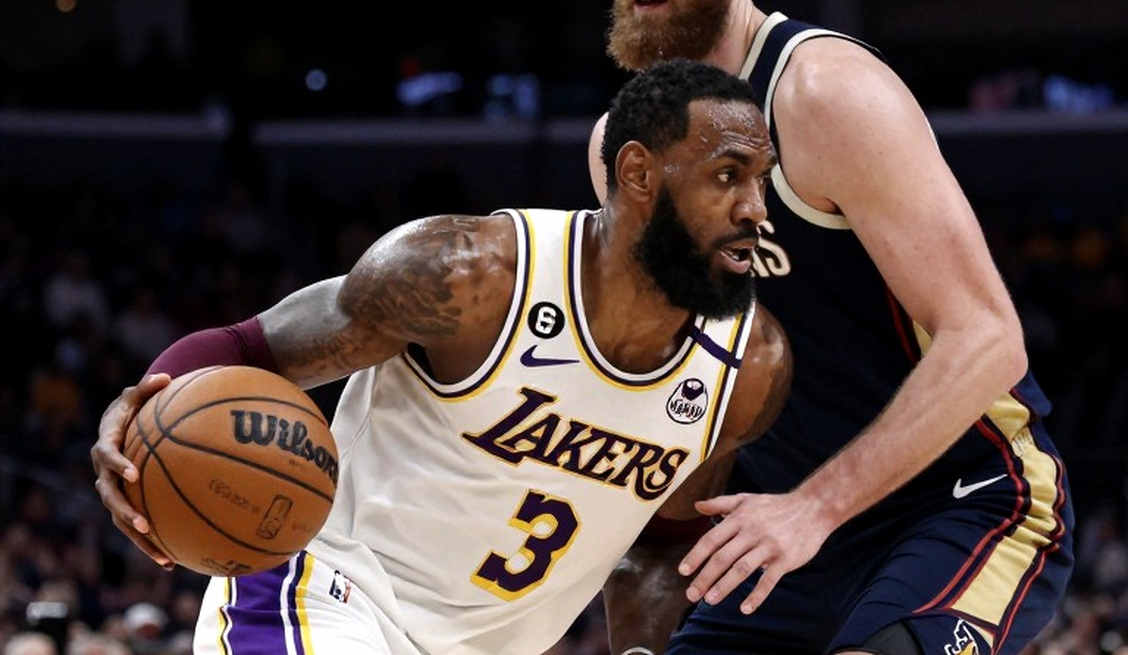
Core: the sixty seconds that produced eight points
Going from 77-70 to 78-78 means eight points were scored inside a minute. That requires one or more of three things: extremely quick possessions, failed free-throw management, or turnovers under pressure. In a 40-minute FIBA game, a team protecting a seven-point lead must make two decisions — whether to foul up three or defend, and whether to keep the ball alive on inbounds plays. Iraklis came out on the wrong side of that checklist. I do not have possession-by-possession data for this game, so I will not claim which specific failure occurred — but the list of possible failures is short, and every item on it is a discipline problem, not a luck problem. The box score says Iraklis lost; the possession log says they were never in a position to close it out even after getting there.
What Doxa did was exceptional execution. Harmon's three at 10.3 seconds was a shot taken at maximum pressure — the highest-leverage possession of the game, and possibly the moment that defines this club's season. Shots like that come from end-game set design, or from a player's confidence. Sometimes both.
Of Doxa's 94 points, 63 — roughly 67 percent — came from three players. Harmon had 24 points and 5 rebounds, Trey Robinson 22 and 6, and Josh Sharma 17 with 13 rebounds. Sharma's double-double is the structural key to the win. A big man who controls the glass and generates second-chance possessions is exactly the profile that decides tightly played FIBA-rules games. Harmon and Robinson score from the perimeter, Sharma inside — a three-level balance is a clean winning formula. It is also a warning: scheme away any one of the three and Doxa's offense thins quickly.
But this win came from an attack that cannot be repeated. Doxa built an eight-point cushion in overtime, which the report frames as a psychological edge. I would go further. An eight-point margin in a five-minute overtime is often not a measure of system; it is a measure of fatigue, momentum and broken belief. A team that has just surrendered a seven-point lead and gone to overtime carries heavy legs and a heavier head. For a roster nicknamed "the Old Man," 45 minutes of basketball is a guest, not a welcome.
The most important signal here is not in one game but in two. The report notes that Iraklis had produced an identical late collapse at Peristeri. That link is the axis of this whole analysis. Losing seven points once is variance. Collapsing twice, in structurally similar ways, inside fifty seconds each time, is not. One collapse is variance; two structurally similar collapses point to a systemic closing-lineup, free-throw and inbounding problem. This is not a matter of player nerve but of coaching staff discipline — who stays on the floor, who gets the ball, and where the ball is thrown in from.
Contrarian: the 94-86 scoreline flatters Iraklis as much as Doxa
Read the eight-point margin and it looks like Doxa controlled the game. The optics say that. The data says something else. This was an 88-88 or 86-84 one-possession game that should have been settled in regulation, and the eight-point gap was created by one team falling apart in overtime.
Similarly, the "self-destructive Iraklis" label is convenient for media, but its evidence is two games. Two games suggest a pattern; they do not establish an identity. Here I am reminded of my own method — the box score turns one man into a hero and another into a villain; a tagged database turns both back into statistical noise. In this game, Jalen Leckey has been cast as "the man who missed the winning layup." The report does not even make clear which team the ball belonged to — logic suggests Iraklis, but that is an inference, not proof. Missing a layup is a high-variance event, not a skill verdict. If the coaching staff does not publicly protect Leckey, that single shot will eat his confidence and the team will lose another fourth quarter. Root: the accountability question is always asked of the most convenient name, not the man at the top.
Harmon's three also reveals something else. Clutch shot-making reputations are enormous; the sample is tiny. One make does not prove Harmon is the league's most reliable closer; it proves that on that night, in that moment, the ball went in. I treat this shot as a traffic stat — real marketing value, no evaluation value.
Takeaway: the same sixty seconds returns inside three days
The calendar is merciless for both clubs. On 28 October Iraklis plays Tartu in Estonia in the FIBA Europe Cup, then hosts PAOK in the Thessaloniki derby on 31 October. Three days, two countries, two competitions. Doxa hosts Mykonos on 31 October — one front, one game.
That is where the real issue sits. Iraklis's problem is not talent but rhythm — between the Europe Cup travel and the derby the following Saturday, it must also protect an ageing core. A team with no option to rest in the biggest week of its early season cannot fix its final-minute errors; it can only repeat them.
The question runs the other way for Doxa: 67 percent of its scoring comes from three imports, and a first historic win is no proof of a scouting revolution. I have watched this across several seasons — after a romantic upset, the same team returns to its true level within five weeks, because the structure never changed, only the score did.
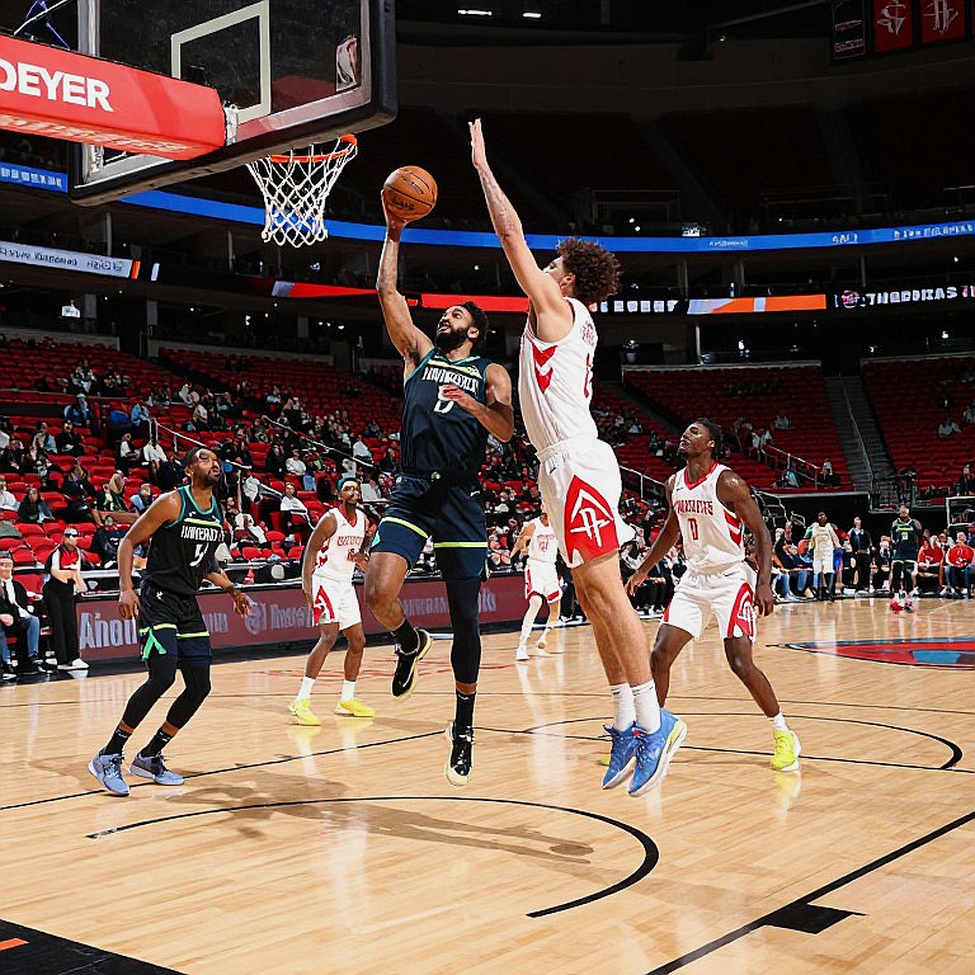
Iraklis's next game is the real test of its final minutes, and Doxa's next game will show whether that night was genuine progress or one good shot. Both answers are hidden in sixty seconds, not forty minutes.